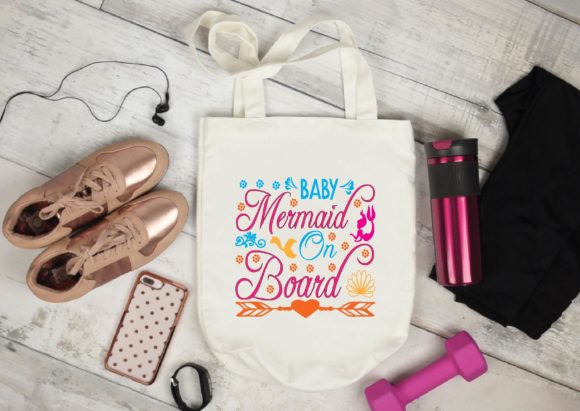
Baby Mermaid on Board Svg: Graphics for Crafts
As a digital publisher and blog designer, I evaluate every graphic design asset through the lens of editorial performance and reader engagement. When I first opened the Baby Mermaid on Board Svg file, my immediate assessment focused on its versatility beyond the cutting machine. While this asset is marketed as an instant download cutting file compatible with Cricut and Silhouette for physical crafts, its clean vector lines make it an unexpectedly strong contender for digital editorial design. The illustration strikes a balance between whimsical and structured, avoiding the chaotic clutter that often plagues niche-specific clip art. For content creators in the parenting, DIY, or children’s literature spaces, this graphic establishes an immediate emotional connection without sacrificing professional polish.
The visual mood of this asset is distinctly playful yet organized. In web design, clarity is king, and this mermaid silhouette offers high recognizability even at smaller sizes. It supports a feminine, lifestyle-focused aesthetic that works exceptionally well for baby shower planning guides, nursery decoration tutorials, or seasonal summer content. Unlike raster images that pixelate when resized for different platforms, the SVG format ensures that whether you are creating a massive website header or a compact social media icon, the edges remain crisp. This technical reliability builds subconscious trust with readers; polished visuals signal authoritative content, even in creative niches.
Deploying Vector Assets Across Editorial Workflows
In a real publishing workflow, consistency drives brand identity. I recently tested this asset while building a content cluster around "Under the Sea" themed nursery decor. The Baby Mermaid on Board Svg served as the anchor visual across multiple formats. For blog graphics, I imported the vector directly into Canva to create cohesive featured images. Because it is a true vector, I could adjust the color palette to match the site’s specific hex codes instantly, ensuring the illustration felt native to the brand rather than like a generic stock addition. This level of customization is vital for affiliate marketing posts where visual cohesion increases click-through rates on product recommendations.
Beyond standard blog headers, this asset proved valuable for content marketing deliverables. I utilized the mermaid graphic as a recurring motif in a downloadable digital guide about ocean-themed party planning. Vectors are ideal for printable design because they scale infinitely without quality loss, making the resulting PDF look professionally typeset. For email marketers, this graphic functions beautifully as a newsletter banner or a visual separator between text blocks. It adds personality to transactional emails or weekly roundups without overwhelming the copy. When used in Pinterest pin designs, the bold silhouette creates necessary negative space for headline text, improving readability in the feed and driving higher save rates.
Strategic Placement for Maximum Visual Impact
Understanding where to place a creative design element is just as important as the asset itself. Based on my testing, the Baby Mermaid on Board Svg performs best in hero sections and category thumbnails. As a hero image background element (when paired with a solid or gradient overlay), it sets the thematic stage immediately. For category pages, using this icon helps users visually navigate a site faster than text alone. It also excels as a watermark or branding element on original photography, protecting your intellectual property while reinforcing your niche authority.
For those creating lead magnets or checklists, this graphic serves as an excellent cover accent. It signals the topic instantly before the user even reads the title. In social media graphics for Instagram Stories or TikTok overlays, the transparent nature of the SVG allows it to float over video content or photos seamlessly. This adaptability makes it a high-value addition to any Canva template library intended for resale or internal team use. The asset bridges the gap between physical crafting and digital publishing, allowing brands to maintain a unified visual language across both tangible products and online content.
Navigating Design Constraints and Mobile Responsiveness
However, no design asset is universally perfect. Publishers must exercise caution when deploying this specific mermaid graphic. Due to its intricate tail details, it loses legibility when scaled down to very small mobile thumbnails or favicon sizes. In these instances, simplify the composition or use only the upper body portion if the file allows for node editing. Furthermore, avoid placing this graphic against busy photographic backgrounds without adequate contrast or backing shapes. The delicate lines can disappear against complex textures, reducing accessibility and visual impact.
I also advise against using this asset in strictly corporate or medical contexts unless heavily stylized. While charming, it carries an inherent informality that may undermine serious educational or clinical content. Always test the graphic in grayscale before finalizing your visual hierarchy. If the mermaid becomes indistinguishable from the background in black and white, your design fails accessibility standards. Ensure sufficient padding around the illustration; whitespace is not empty space, it is active framing that directs the reader's eye. On text-heavy blog posts, use the graphic as a breathing point between long paragraphs rather than crowding it next to dense copy.
Publisher Checklist: Technical and Licensing Due Diligence
Before integrating the Baby Mermaid on Board Svg into any monetized platform, rigorous testing is non-negotiable. As experienced publishers know, a beautiful file can still cause technical debt if not managed correctly. Follow this practical workflow to ensure the asset supports rather than hinders your digital product strategy:
- Verify Commercial Licensing: Confirm the specific terms for digital use. Some commercial license agreements permit physical sales but restrict digital redistribution or use in templates for sale. Never assume rights based on product descriptions alone.
- Test Cross-Platform Rendering: Open the SVG in Illustrator, Inkscape, Canva, and web browsers. Vector rendering engines vary; ensure paths do not break or shift colors across different software used by your team or audience.
- Optimize File Size: Raw SVGs from cutting machines often contain unnecessary metadata or hidden layers. Clean the code using tools like SVGOMG to reduce file size for web design performance without losing visual fidelity.
- Typography Pairing Testing: Test the graphic beside various font families. It typically pairs best with rounded sans-serifs or soft scripts. Avoid rigid geometric fonts that clash with the organic curves of the mermaid tail.
- Contrast Compliance Check: Run the color combination through WCAG contrast checkers. Ensure the graphic remains visible for users with visual impairments, especially when used as functional navigation or informational iconography.
- Mobile Preview Validation: View the asset on actual devices, not just browser resize tools. Touch targets near the graphic should remain accessible, and the illustration should not push critical content below the fold on smaller screens.
Ultimately, the Baby Mermaid on Board Svg represents a smart investment for publishers operating at the intersection of crafts and digital media. It transcends its origin as a cutting file to become a versatile component of modern small business branding. By treating this vector with the same editorial rigor as photography or typography, content creators can elevate their visual storytelling. The result is a more immersive, trustworthy, and clickable user experience that honors both the artistic intent of the original designer and the strategic goals of the publication. Whether you are designing a digital download shop, a parenting blog, or a creative marketplace listing, this asset provides the foundational polish necessary to stand out in a saturated digital landscape.