Jiraf Design Review: Real Embroidery Application
When evaluating a new graphic for production, my first question is always whether the artwork can survive the translation from screen to thread. As designers and makers, we know that what looks crisp in a vector program does not always stitch out cleanly on fabric. I recently reviewed Jiraf, a giraffe illustration positioned as a versatile asset for everything from apparel to home decor. After examining the file structure and visual weight, I approached this review with a specific real-world scenario in mind: creating a custom embroidered tote bag for a boutique client who wanted a whimsical yet professional aesthetic.
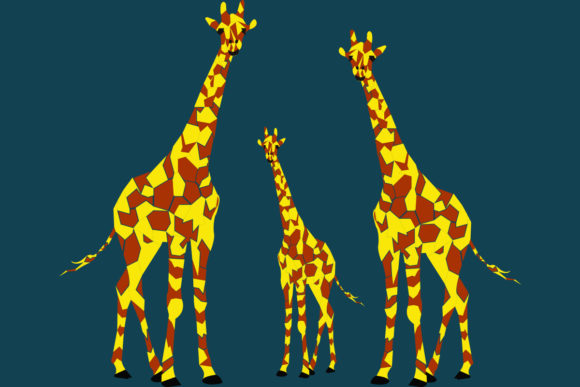
The initial impression of Jiraf is strong because it balances illustrative charm with structural clarity. The silhouette is distinct, which is crucial for embroidery where fine lines can get lost. Unlike overly complex graphics that require excessive stitch density, this design feels open enough to allow the fabric texture to breathe while still providing enough coverage to look substantial. For an Etsy seller or small shop owner, this balance is vital. You want a design that photographs well in a printable mockup but also delivers tactile quality in the finished product.
Translating Vector Lines to Stitch Reality
Because Jiraf is supplied in AI, EPS, SVG, and PNG formats, it offers excellent flexibility for digitizers. However, having editable source files means you must make intentional decisions about stitch types. During my assessment for the tote bag project, I considered how the giraffe’s long neck and spots would translate into actual stitches. A solid fill might make the neck too stiff and bulletproof, causing the canvas fabric to pucker. Instead, this illustration lends itself beautifully to a combination of techniques.
I recommend treating Jiraf as a potential applique design rather than a full-fill embroidery. Using a satin stitch border with a cotton fabric fill for the body reduces stitch count significantly and adds a premium, handmade texture that customers value. If you prefer traditional embroidery, converting the spots to running stitches or light tatami fills will maintain the playful mood without compromising the drape of a sweatshirt or baby onesie. The ability to change colors easily in the provided vector files allows you to adapt the palette for seasonal collections or specific brand identities without losing the core recognition of the character.
Best Applications for Commercial and Personal Projects
In testing this design across different use cases, Jiraf proved most effective on medium-weight stable fabrics. For custom apparel, specifically sweatshirts and t-shirts, the design serves as an excellent left-chest placement or a centered back print. The vertical orientation of the giraffe works particularly well on tote bags and aprons, utilizing the natural grain of the fabric. For those running a craft business, this versatility means one digital asset can populate multiple product listings.
- Nursery Decor: The gentle nature of the illustration makes it ideal for baby blankets and pillow covers. Use pastel thread colors and soft stabilizers to keep the item comfortable against skin.
- Kitchen Textiles: Tea towels and aprons benefit from the design's clear outline. Ensure high contrast between thread and fabric so the detail remains visible after repeated washing.
- Patches and Caps: While possible, these require modification. The height-to-width ratio may need adjustment to fit standard cap hoops or patch boundaries without distorting the anatomy.
- Digital Products: Since the package includes high-resolution PNGs and vectors, this asset doubles as clipart for printable stationery or sublimation mugs, maximizing ROI for digital sellers.
Critical Considerations for Fabric and Hoop Selection
Despite its versatility, Jiraf requires careful handling in specific contexts. When working with stretchy fabrics like jersey knits for baby embroidery or lightweight tees, proper stabilization is non-negotiable. The vertical lines of the giraffe’s legs and neck are prone to distortion if the fabric shifts during stitching. Always use a cut-away stabilizer for stretch materials and a tear-away for woven goods like canvas totes.
Be cautious when scaling this design down for small hoop sizes. Intricate details in the face or smaller spots may merge if reduced below three inches. Before committing to a production run of personalized gifts, test the minimum viable size on scrap fabric. Conversely, when enlarging for large-format items like pillows, verify that the stitch density scales appropriately. Simply stretching a machine embroidery design can result in sparse coverage; you may need to recalculate fill parameters to avoid gaps. Also, consider the background color. On dark fabrics, ensure the outline is thick enough or add an underlay to prevent the dark base from showing through lighter thread colors.
Professional Workflow and Quality Assurance
For creative entrepreneurs and apparel decorators, consistency builds trust. When integrating Jiraf into your catalog, establish a standard operating procedure for testing. I always advise stitching out a sample on the exact material you intend to sell. Check the registration marks between color changes and inspect the tie-in and tie-off points. Loose threads or poor jump stitch management can ruin the perceived value of a handmade product.
Since the product description notes that you can change colors and elements, take advantage of this customization to create cohesive collections. However, always confirm licensing terms regarding commercial use before selling finished items or redistributing modified digital files. Understanding your rights protects your business and ensures ethical usage of design assets.
- Mockup Validation: Create black-and-white mockups to test contrast independent of color. If the design reads well in grayscale, it will be visually successful in thread.
- Stabilizer Matching: Pair heavy designs with heavy stabilizers. Do not attempt dense fill versions of Jiraf on sheer or lightweight fabrics without adequate backing.
- Thread Selection: Matte threads often suit illustrative styles better than high-sheen rayon, giving the giraffe a more organic, sketched appearance.
- Customer Communication: If selling customized versions, show clients how color changes affect the overall mood. Provide swatches or digital previews to manage expectations.
Final Verdict for Makers and Sellers
Jiraf stands out as a reliable foundation for both novice hobbyists and experienced commercial embroiderers. Its strength lies in its clean geometry and adaptable style, allowing it to transition smoothly from a digital graphic to a tangible embroidered patch or garment decoration. By respecting the technical limitations of thread and fabric, and by leveraging the included editable files to tailor the design to your specific niche, this illustration can become a staple in your product lineup.
Whether you are preparing holiday embroidery samples, stocking Etsy listings with unique nursery art, or fulfilling custom corporate orders, success comes from treating the digital file as a blueprint rather than a final destination. Test thoroughly, stabilize correctly, and let the inherent charm of the Jiraf design shine through quality craftsmanship. This practical approach ensures that every stitched giraffe meets the high standards your customers expect and your brand deserves.