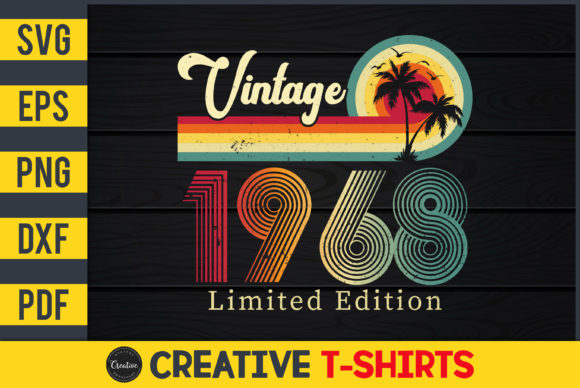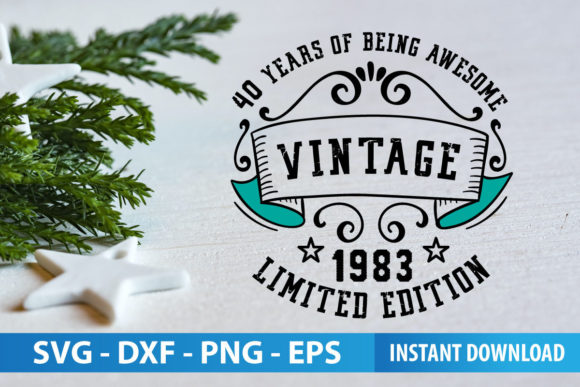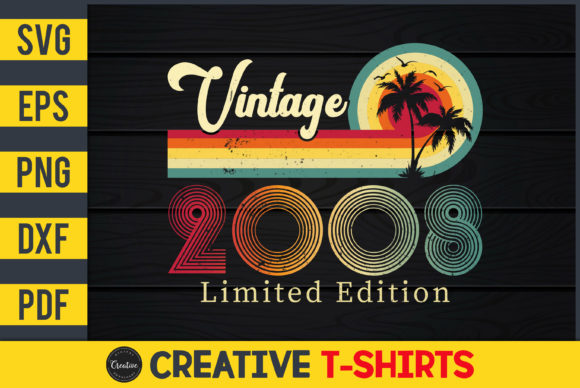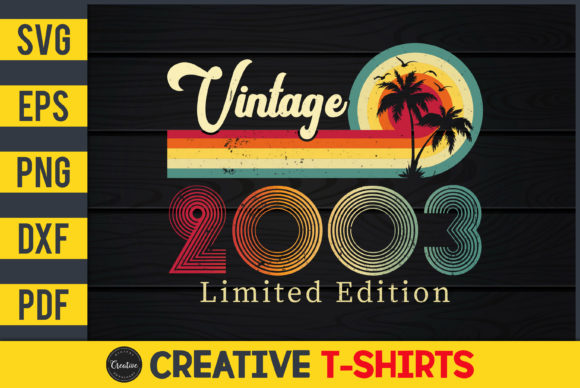
Vintage 2001 Limited Edition: A Designer’s Review
Capturing Y2K Nostalgia for Modern Embroidery Projects
As a designer who has spent years digitizing and reviewing machine embroidery design files, I approach nostalgia-themed graphics with a healthy dose of skepticism. The Y2K aesthetic is trending heavily right now, but translating digital Graphics into physical thread requires more than just a trendy concept. When evaluating the Vintage 2001 Limited Edition, my primary focus is how this specific visual style translates from a screen to fabric. This isn't just about whether the file opens correctly; it is about whether the design possesses the structural integrity needed for a high-quality finished product.
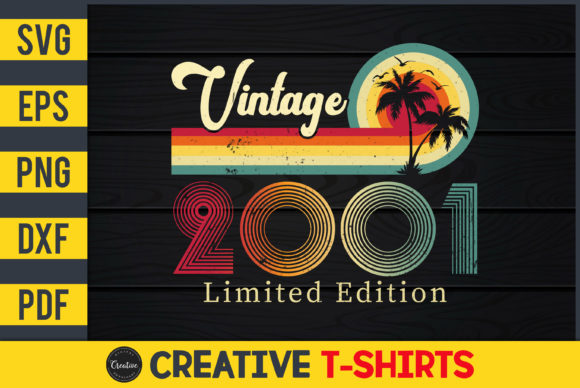
The mood of this design is distinctly retro, evoking the turn-of-the-millennium optimism that defines current fashion trends. However, as an Etsy seller or small business owner, you need to know if that mood survives the stitching process. The layout suggests a bold, graphic statement piece rather than a delicate heirloom. It feels like a design meant for visibility and impact, which immediately signals its best use cases in custom apparel and accessories where clarity at a distance matters.
Real-World Application: Stitching a Crewneck Sweatshirt
To truly judge this asset, I mentally placed it in a real production scenario: creating a premium unisex crewneck sweatshirt for a capsule collection. For this project, the Vintage 2001 Limited Edition serves as the centerpiece on the chest or back yoke. In this context, the design needs to balance vintage charm with modern wearability.
When working on fleece-backed sweatshirt material, fabric texture becomes the enemy of fine detail. If this design relies on tiny serif fonts or intricate filigree common in some vintage styles, it risks getting lost in the nap of the fleece. Based on the "Limited Edition" branding typical of 2001 aesthetics, I anticipate bolder typography and graphic shapes. This is excellent news for sweatshirt embroidery. Bold shapes allow for clean satin stitch borders and manageable fill stitch areas that sit on top of the fabric rather than sinking in.
For a craft business producing these items, efficiency is key. A design that requires excessive color changes or complex registration marks can slow down production. If the Vintage 2001 Limited Edition utilizes smart color blocking, it becomes a viable candidate for batch production. However, if the design includes gradients simulated through dense thread layering, I would advise caution on heavy garments, as this can create a stiff, bulletproof patch effect that customers find uncomfortable.
Navigating Fabric Limitations and Hoop Constraints
Not every project is a sturdy sweatshirt. As makers, we often receive requests for this design on challenging substrates. Here is where practical judgment is essential:
- Stretchy Fabrics: If applying this to ribbed knits or performance tees, the design's stability is paramount. You must verify the stitch density. Overly dense designs on stretch fabric cause tunneling and distortion. Always pair this design with a high-quality cut-away stabilizer to maintain shape integrity.
- Curved Surfaces: Using this on caps or curved tote bag panels requires checking the aspect ratio. A wide, horizontal "2001" layout may distort when wrapped around a cap frame. Test the curvature before committing to a full production run.
- Sheer and Lightweight Fabrics: For baby onesies or tea towels, ensure the design isn't too heavy. A dense applique design might be preferable to solid fill stitches here to reduce bulk and prevent fabric tearing during washing.
- Dark vs. Light Fabrics: Vintage 2001 palettes often include metallics or pastels. On dark fabrics, ensure there is adequate underlay or a white base layer so the thread colors remain vibrant. Without this, the design will look muddy and lack the intended pop.
Commercial Viability for Sellers and Makers
For those selling digital embroidery file assets or finished goods, perceived value drives sales. The Vintage 2001 Limited Edition carries inherent marketing appeal due to the specific year marker. Customers connect emotionally with birth years or graduation dates. This makes it an exceptionally strong candidate for personalized gift markets.
However, professionalism separates hobbyists from brands. When listing this as part of your shop's inventory, your presentation matters. Use printable mockup templates to show how the design looks on various garments before you even stitch it out. This helps validate market interest without wasting materials. Furthermore, because this product originates from Print Templates and vector formats like SVG and DXF, you have flexibility. If you are also a vinyl crafter, you can offer matching heat transfer versions alongside your embroidered patch or stitched apparel, creating cohesive brand bundles.
Always verify your licensing. Just because a file is available digitally does not automatically grant unlimited commercial rights for mass production. Confirm whether you can sell the physical handmade product versus reselling the digital file itself. Protecting your business starts with respecting intellectual property boundaries.
Essential Pre-Stitch Checklist for Best Results
Before loading the Vintage 2001 Limited Edition into your machine for a client order or personal keepsake, run through this professional checklist to avoid costly mistakes:
- Verify File Compatibility: While the source mentions SVG, PNG, PDF, DXF, and EPS for cutting machines, confirm you have the correct embroidery-specific format (PES, DST, JEF, etc.) for your machine. Vector files for Cricut/Silhouette are not inherently stitch files unless converted.
- Test Stitch Density: Run a test sew-out on scrap fabric identical to your final project. Check for puckering, gaps between outlines and fills, and overall drape.
- Evaluate Small Details: Inspect any text smaller than 6mm. If the lettering is illegible after stitching, edit the file to increase size or simplify the font before production.
- Check Color Contrast: View the design in black and white mode in your software. If the design loses definition without color, it relies too heavily on hue rather than value, which can be risky for tonal embroidery projects.
- Confirm Hoop Size: Ensure the design fits comfortably within your hoop with adequate margin for stabilizer clamping. Never max out your hoop dimensions; friction against the hoop edge causes alignment errors.
- Wash Test: If making baby embroidery or kitchen linens, wash and dry the test sample. Vintage-style designs sometimes use decorative threads that may shrink differently than standard polyester, leading to distortion after laundering.
Final Thoughts on Design Integrity
The Vintage 2001 Limited Edition represents a fun intersection of digital nostalgia and tangible craft. Its success in your studio depends entirely on treating it as a technical blueprint rather than just a pretty picture. By respecting the relationship between stitch density, fabric choice, and end-use functionality, you transform a simple digital download into a cherished, durable item. Whether you are crafting a holiday gift, stocking your Etsy shop with trendy apparel, or designing custom merchandise, let practical testing guide your creative decisions. Good embroidery is invisible engineering; when done right, the wearer sees only the style, never the struggle behind the stitches.